Top 10 Superfoods for Optimal Health and Nutrient Boosts
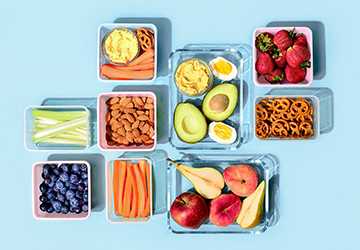
Superfoods are nutrient-dense foods rich in vitamins, minerals, antioxidants, and other essential compounds. Incorporating a variety of superfoods into your diet can help achieve optimal health and provide a significant nutritional boost. Here's a guide to the ten best superfoods to boost your overall health:
Blueberries:
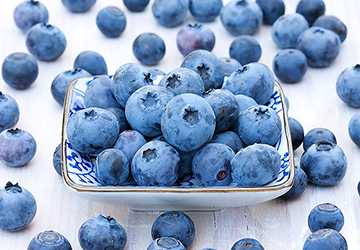
Blueberries are known for their high antioxidant content, especially anthocyanins, which give them a vibrant colour. Antioxidants help fight oxidative stress and inflammation in the body. Blueberries also contain vitamins C and K and fibre. Regular consumption of blueberries is associated with improved cognitive function and cardiovascular health.
Salmon:
Salmon is fatty fish rich in omega-3 fatty acids, especially EPA and DHA. These essential fatty acids are known for their cardioprotective effects and may contribute to brain health. Salmon is also an excellent source of high-quality protein, vitamin D, and B vitamins. Including fatty fish like salmon in your diet can support overall health and may reduce the risk of chronic disease.
Kale:
Kale is a nutrient-dense food packed with vitamins A, C, and K and minerals like calcium and potassium. It is also a rich source of antioxidants and fibre. Kale is a member of the cruciferous family and is known for its potential anti-cancer properties. Using kale in salads, smoothies, or stir-fries can provide a nutrient-dense addition to your meals.
Quinoa:
Quinoa is a versatile and nutrient-dense grain that contains all nine essential amino acids, making it a complete protein. It is an excellent source of fibre, vitamins, and minerals, including magnesium, iron, and zinc. Quinoa is gluten-free and can be used in various dishes as a substitute for other grains, contributing to a balanced plant-based diet.
Avocado:
Avocados are a nutrient-dense fruit packed with heart-healthy monounsaturated fats. It also provides a rich source of vitamins and minerals, including potassium, vitamin K, and E and B. Avocados can be a versatile addition to salads, sandwiches, and smoothies, providing flavour and nutritional value.
Turmeric:
Turmeric is a spice best known for its active ingredient, curcumin, which has powerful anti-inflammatory and antioxidant properties. Adding turmeric to your diet can help reduce inflammation and support joint health. It has also been studied for its potential benefits in preventing chronic disease and supporting cognitive function. Mixing turmeric with black pepper improves the absorption of curcumin.
Chia seeds:
Chia seeds are micronutrients rich in fibre, omega-3 fatty acids, protein, and vitamins and minerals. They absorb liquid and form a gel-like consistency, making them a great addition to puddings, smoothies, or as an egg substitute in recipes. Chia seeds help create a feeling of fullness, support digestive health, and provide essential nutrients.
Sweet potatoes:
Sweet potatoes are a nutrient-dense root vegetable packed with vitamins A and C, potassium, and fibre. They also contain antioxidants like beta-carotene, which gives them their orange colour. Eating sweet potatoes can help with eye health, immune function, and overall health. For a boost of nutrition, you can roast sweet potatoes, puree them, or add them to various dishes.
Greek yogurt:
Greek yoghurt is a protein-rich dairy product with probiotics for gut health. It is an excellent source of calcium, vitamin B12 and other essential nutrients. Choosing plain, unsweetened Greek yoghurt allows you to control added sugars while benefiting from its nutritional content. Greek yoghurt can be enjoyed as a snack, smoothie, or base for savoury or sweet toppings.
Walnuts:
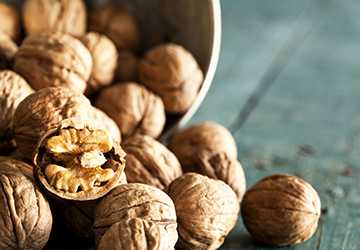
Walnuts are a nut rich in omega-3 fatty acids, antioxidants, and protein. They also provide essential nutrients such as magnesium, phosphorus, and copper. Regular consumption of walnuts is associated with heart health benefits, including improved cholesterol levels. Add walnuts to salads or oatmeal or eat them as a snack to reap their nutritional benefits.
Tips for incorporating superfoods into your diet:
l Variety your plate:
Try including various superfoods in your meals to ensure you get a wide range of nutrients. A varied diet supports overall health and helps meet the body's nutritional needs.
l Try the recipe:
Explore different recipes and cooking methods to make your meals exciting and delicious. Superfoods can be incorporated into salads, smoothies, stir-fries and even desserts, providing variety in your cooking options.
l Mindful eating:
Practice mindful eating by enjoying food's taste, texture, and flavours. Being present during meals enhances the eating experience and promotes better digestion.
l Plan a balanced meal:
Plan meals that contain a balance of macronutrients (carbohydrates, proteins, and fats) and micronutrients (vitamins and minerals). A balanced diet ensures a comprehensive supply of nutrients.
l Choose whole foods:
Choose whole, minimally processed superfoods to maximize their nutritional content. Entire foods retain natural fibre, antioxidants, and essential nutrients for more significant health benefits.
l Stay hydrated:
Hydration is an essential aspect of a healthy lifestyle. Water supports overall health and supports the absorption of nutrients. Drink water throughout the day and eat hydrating foods like water-rich fruits and vegetables.
l Consider your dietary preferences:
Customize your superfood selections to suit your dietary preferences, whether you follow a vegetarian, vegan, or omnivorous diet. There are superfoods suitable for different eating habits.
l Pay attention to portion size:
While superfoods offer many health benefits, paying attention to portion sizes is essential. A moderate diet ensures balanced nutritional intake and prevents excessive calorie consumption.
l Consult a nutritionist:
You should consult a registered dietitian or nutritionist if you have specific dietary goals or health concerns. They can provide personalized advice based on your individual needs and preferences.
10. Listen to your body:
Pay attention to your body's hunger and satiety signals. Intuitive eating allows you to respond to your body’s nutritional needs and promote a healthier relationship with food.
Conclusion
Incorporating superfoods into your diet can significantly promote optimal health and provide nutrients. From berries and fatty fish to leafy green vegetables and nuts, these superfoods provide a rich source of vitamins, minerals, antioxidants, and essential nutrients. By adopting a varied and mindful diet, you can enjoy a delicious and nutritious diet that promotes overall health. Remember, a well-rounded, balanced lifestyle that includes regular physical activity and stress management can complement the benefits of a nutrient-dense diet and promote long-term health and vitality.