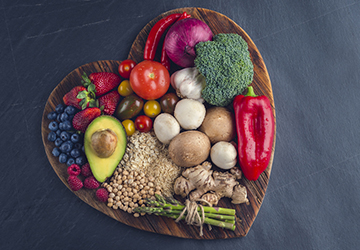
How to Make Healthy Eating a Habit: Simple Steps for Success
Adopting a healthy diet is a transformative step toward overall health. A nutrient-dense diet provides your body with essential nutrients for long-term health and vitality. However, establishing and maintaining healthy eating habits requires conscious, mindful, and gradual change. This comprehensive guide will explain the simple steps to develop healthy eating habits successfully.

1. Start With Small, Lasting Changes:
Start with small, sustainable changes rather than drastically changing your eating habits. Making too many adjustments at once can be overwhelming and challenging to maintain. Start by focusing on one or two specific changes, such as B. Adding more vegetables to your meals or choosing whole grains instead of refined grains.
Example of minor changes:
● Switch sugary drinks to water: Gradually reduce the amount of sugary drinks you drink and replace them with water or herbal teas.
● Add a serving of vegetables to each meal: Increase your vegetable intake by adding various colourful vegetables.
2. Set Realistic and Achievable Goals:
Setting realistic and achievable goals is critical to success. Rather than aiming for perfection, set achievable goals that fit your lifestyle and preferences. Consider specific, measurable, time-bound goals you can track and celebrate as you progress.
Examples of realistic goals:
● Eat at least one fruit daily: Add a serving of fresh fruit to your daily routine.
● Cook at home three times a week: Set a goal to prepare home-cooked meals on a specific day.
3. Plan and Prepare Meals Ahead of Time:
Meal planning and preparation can go a long way in supporting healthy eating habits. Planning your meals for the week, making a shopping list, and preparing ingredients in advance will help you make conscious food choices instead of relying on convenience or fast food.
Meal planning tips:
● Create a weekly meal plan: Outline your weekly meals, including a balance of protein, vegetables, whole grains and healthy fats.
● Batch Cooking: Prepare large batches of meals and freeze portions for later use.
● Smart Grocery Shopping: Stick to your shopping list and prioritize natural, unprocessed foods.
4. Build a Balance Board:
By preparing balanced meals, you can ensure you are getting various nutrients essential for your health. Look for lean protein, whole grains, healthy fats, and fruits and vegetables; this provides nutritional benefits and increases the taste and satisfaction of meals.
Components of a balance board:
● Sources of lean protein: include fish, poultry, beans, lentils, tofu or lean meat.
● Whole grains: Choose brown rice, quinoa, oats or whole grains for extra fibre and nutrients.
● Plenty of vegetables: Fill half your plate with various colourful vegetables to maximize vitamins, minerals and antioxidants.
● Healthy fats: Eat healthy fat sources in moderation, such as avocados, nuts, seeds and olive oil.
5. Listen to Your Body's Hunger and Satiety Signals:
To develop a mindful eating approach, focus on your body's hunger and fullness signals. Eat when you are hungry and stop when you are full. Avoid eating out of boredom, stress or habit and enjoy the taste and texture of your food.
Mindful eating habits:
● Avoid distractions while eating: Minimize distractions such as television or electronic devices while eating.
● Chew slowly: Take your time to chew your food thoroughly and savour every bite.
● Rest between meals: Put your utensils between meals to accommodate your body's cues.
6. Stay Hydrated:
Drinking enough water is an essential aspect of a healthy diet. Sometimes, feelings of hunger can be confused with dehydration. Stay hydrated throughout the day and consider water-rich foods like fruits and vegetables as additional sources of fluids.
Tips for drinking enough fluids:
● Carry a reusable water bottle: Keep water available throughout the day.
● Eat more hydrating foods: Eat more water, such as watermelon, cucumber, orange, etc.
● Set a reminder to drink water: Use an alarm clock or app to remind you to drink water regularly.
7. Enjoy Food in Moderation:
Developing healthy eating habits doesn't mean eliminating snacks or foods that bring you joy. The key is moderation and mindful endurance. Giving yourself occasional snacks can help prevent nutritional deficiencies and promote a healthy eating pattern.

Balanced snack and nutritional choices:
● Set Limits: Enjoy food in moderation and as an occasional rather than a daily treat.
● Choose quality hospitality: Choose true satisfaction and focus on quality over quantity.
8. Educate on Nutrition:
Understanding the nutritional value of different foods will help you make informed decisions. Learn about the benefits of various nutrients, the importance of portion size, and how other foods contribute to your overall health.
Opportunities for further training:
● Read reputable sources: Stay informed by reading articles, books, or websites from reliable nutrition sources.
● Talk to a nutritionist: Seek personalized advice from a registered dietitian or nutritionist.
● Try new recipes: Explore different recipes to create delicious and nutritious meals.
9. Maintain Healthy Eating Habits Socially:
Maintain
Maintaining healthy eating habits in social situations can be challenging, but you can manage different situations carefully while sticking to your nutrition goals.
Social networking tips:
● Share your preferences: Let friends and family know your commitment to healthy eating so they can support you.
● Choose wisely at parties: Choose nutritious foods at parties or events and pay attention to portion sizes.
● Plan ahead: If you’re attending a party, consider eating a healthy meal ahead of time to curb excessive snacking.
10. Prioritize Natural, Unprocessed Foods:
Unprocessed, whole foods are rich in essential nutrients and free of added sugar, unhealthy fats and artificial additives. Prioritizing these foods forms the basis of a healthy diet.
Whole food examples:
● Fruits and vegetables: Colorful options provide vitamins, minerals and antioxidants.
● Lean protein: To meet your protein needs, eat fish, poultry, beans, lentils and tofu.
● Whole grains: Choose quinoa, brown rice, oats and whole grains.
● Healthy fats: Add avocados, nuts, seeds and olive oil in moderation.
11. Practice Intuitive Eating:
Intuitive eating involves tuning into your body’s signals, such as hunger and fullness, and making food choices based on those signals. Rejecting diet culture and focusing on internal cues can help promote a healthier relationship with food.
Principles of intuitive eating:
● Listen to your body: Listen for hunger and fullness signals without outside influence.
● Forget about diet mentality: Ditch restrictive diets and focus on nourishing your body with balanced nutrition.
● Enjoy food without guilt: Allow yourself to enjoy and appreciate your favourite foods without feeling guilty.
12. Create a Supportive Environment:
A supportive environment can significantly impact your ability to maintain healthy eating habits. Creating an environment that encourages nutritious food choices can contribute to long-term success at home or work.
Ways to create a supportive environment:
● Stock a healthy pantry: Stock your home with whole, unprocessed foods.
● Promote workplace wellness: Promote healthier food choices and wellness initiatives.
● Involve family or roommates: Collaborate on meal planning and cooking to improve healthy eating.
13. Reflect on Your Progress:
Regularly reflecting on your healthy eating journey can help you reinforce positive habits and identify opportunities for improvement. Celebrate your successes, no matter how small, and use challenges as opportunities to learn and adapt.
Reflective practice:
● Keep a food journal: Write down your meals, snacks and how you feel while eating.
● Assess your energy levels: Consider how your food choices affect your energy levels and overall health.
● Set new goals: Based on your reflection, set realistic and achievable goals for continuous improvement.
14. Get Professional Advice:
If you have difficulty establishing or maintaining healthy eating habits, you should seek the advice of a registered dietitian or nutritionist. They can provide personalized advice to meet your specific dietary needs and support tailored to your circumstances.
When to seek professional help:
● Complex health conditions: If you have a specific health problem or disease that requires changes to your diet.
● Weight Management Goals: Get personalized advice on achieving and maintaining a healthy weight.
● Nutrient deficiencies: If you suspect or have been diagnosed with a nutrient deficiency, you may need to change your diet.
15. Adopt a Positive Attitude:
A positive attitude toward food and drink is essential to building healthy habits. Regarding nutrition, focus on nourishment, enjoyment, and self-care rather than restrictive rules or guilt.
Positive attitude exercises:
● Celebrate successes: Recognize and celebrate your successes on your journey to healthy eating.
● Practice self-compassion: Be kind and avoid self-criticism when faced with challenges.
● Think of food as fuel: Recognize food's role in nourishing and providing energy to the body.
Conclusion:
Making healthy eating a habit is a gradual and rewarding process that requires conscious choices, self-awareness, and a commitment to health. Incorporating these simple steps into your daily life can encourage sustainable habits and contribute to a healthier, more fulfilling lifestyle. Remember, everyone’s journey is unique. Finding what works best for you is critical to long-term success. Whether you make small changes, set realistic goals, or seek professional advice, the path to healthy eating is an ongoing exploration of self-care and nutrition.