What Everyone Should Understand About the Importance of Hydration
Hydration is an essential aspect of maintaining overall health and well-being. Water supports various body functions, from regulating temperature to facilitating nutrient transport. Understanding the importance of hydration is crucial for everyone as it directly affects physical and cognitive performance, metabolism, and overall vitality. In this comprehensive guide, we explore the importance of hydration and provide insights into maintaining optimal hydration levels.
Body moisture composition:
The human body is made up of approximately 60% water, highlighting the importance of water to overall health. Every cell, tissue, and organ need water to function correctly. Water is involved in processes such as nutrient absorption, digestion, recycling, and waste elimination.
Body temperature regulation:
Sweating is the body's natural mechanism to cool down during physical activity or exposure to high temperatures. Adequate hydration is critical to maintaining this cooling process. When the body is dehydrated, its ability to regulate temperature is impaired, leading to an increased risk of heat-related illness.
Cognitive function and alertness:
Proper hydration is closely linked to cognitive function and mental alertness. Dehydration can affect concentration, memory, and overall cognitive abilities. Adequate hydration supports optimal brain function, improving concentration, decision-making, and mental clarity.
Energy production and metabolism:
Water is an essential metabolic process that converts food into energy. Dehydration slows your metabolism and makes your body less efficient at converting nutrients into energy. Maintaining adequate fluid levels supports energy production and overall metabolic function.
Joint and Muscle Health:
Water is an essential component of synovial fluid, which lubricates joints and supports smooth movement. Proper hydration prevents joint stiffness and reduces the risk of injury during physical activity. Muscles rely on adequate fluid intake to function optimally, and dehydration can lead to cramping and fatigue.
Nutrient transportation:
Water acts as a medium for transporting nutrients throughout the body. It promotes the absorption and distribution of essential vitamins and minerals, ensuring cells receive the nutrients they need for growth, repair, and maintenance.
Detoxification and waste disposal:
Hydration is essential for the kidneys' filtering of waste and toxins from the blood. Water helps eliminate waste through urine and supports the body's detoxification process. Insufficient fluid intake can lead to kidney stones and urinary tract infections.
Prevent dehydration-related health problems:
Dehydration can cause a variety of health problems, from mild to severe. Mild dehydration can cause symptoms such as headaches, dizziness, and dry skin, while severe dehydration can lead to life-threatening conditions such as heat stroke. To prevent these health problems, it's essential to understand the importance of staying hydrated.
Personal fluid requirements:
A person's water needs may vary based on age, weight, physical activity, climate, and general health. While the general recommendation is to drink eight 8-ounce glasses of water daily (the "8x8 rule"), some people may need. Paying attention to thirst signals and adjusting your water intake accordingly is essential.
Signs of dehydration:
Recognizing signs of dehydration is critical for rapid intervention. Common symptoms include dark urine, dry mouth, increased thirst, fatigue, dizziness, and decreased urine output. Chronic dehydration can lead to more severe health problems, highlighting the importance of meeting fluid needs.

Tips for staying optimally hydrated:
l Drink water regularly:
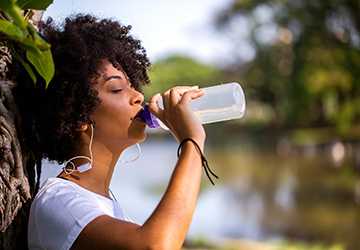
Make it a habit to drink water throughout the day. Carry a reusable water bottle with you to ensure easy access to water and set reminders when needed. Drinking water regularly helps maintain fluid balance.
l Listen to your body:
Pay attention to thirst signals and drink water when you feel thirsty. Also, watch for other signs of dehydration, such as B. Dark urine or dry mouth, which can be managed by increasing fluid intake.
l Consider personal factors:
Adjust your fluid needs based on personal factors such as age, weight, activity level and climate. People who engage in strenuous physical activity or live in hot climates may need more water to compensate for increased fluid loss.
l Replenish water before, during and after exercise:
Exercise increases the body's need for water, primarily through sweating. Rehydrate during and after physical activity to support optimal performance and prevent dehydration-related problems.
l Eat more hydrating foods:
In addition to drinking water, include hydrating foods in your diet. Fruits and vegetables with a high-water content, such as watermelon, cucumbers, and oranges, contribute to overall fluid intake.
l Limit dehydrating drinks:
Some drinks, such as those containing caffeine and alcohol, may cause dehydration. While moderation is generally acceptable, balancing these drinks with water is essential to stay adequately hydrated.
l Monitor electrolyte balance:
Electrolytes, including sodium, potassium, and magnesium, play a role in fluid balance. Maintain electrolyte balance by eating electrolyte-rich foods and choosing electrolyte-containing beverages, when necessary, especially during prolonged physical activity.
l Stay hydrated in hot weather:
Hot weather increases fluid loss through sweating. Adjust fluid intake according to climate and be proactive about staying hydrated to prevent heat-related illness.
l Hydration and Aging:
Older adults may have less thirst and are at higher risk of dehydration. Older adults need to monitor fluid intake to ensure fluid needs are met consciously.
l Hydration and medical conditions:
Certain diseases and medications can affect fluid balance. People with health conditions or taking medications that affect fluid balance should work closely with a healthcare professional to meet their fluid needs.
Conclusion
Understanding the importance of hydration is essential to maintaining overall health and well-being. Water is involved in nearly every body function, from supporting cognitive function to regulating body temperature. Individuals can stay adequately hydrated by recognizing their fluid needs, listening to the body's signals, and practising healthy fluid habits. Prioritizing hydration can help improve physical and mental performance and metabolism and reduce the risk of dehydration and health problems. Incorporate mindful drinking habits into your daily life to promote optimal health and vitality.