How to Manage and Reduce Everyday Anxiety: Practical Steps for Wellness
Anxiety is a common and natural response to stress, but when it becomes a persistent and overwhelming part of your daily life, it can affect your well-being and quality of life. Managing and reducing daily anxiety requires practical strategies and lifestyle changes to promote mental health and resilience. This guide explores actionable steps to help you manage and reduce daily anxiety to live a more balanced and fulfilling life.
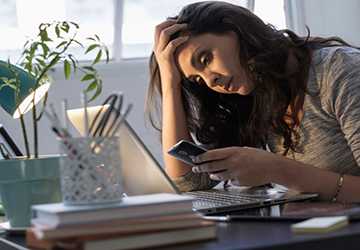
Know your triggers:
Recognizing the specific situation, thought, or event that triggers anxiety is a crucial first step. Keep a journal to record times when you feel anxious, noting the situations, thoughts, and emotions associated with each event. By understanding your triggers, you can develop targeted coping strategies.
Practice mindfulness and grounding techniques:
Mindfulness means living in the present moment without judgment. Techniques like deep breathing, meditation, and grounding exercises can help focus your mind and reduce anxiety. When you feel anxious, focus on breathing, activate your senses, and bring your attention to the present moment.
Establish a routine:
Creating a consistent routine can provide a sense of structure and predictability, which can help those who struggle with anxiety feel calm. Plan your day to balance work, self-care and leisure activities. Routines help minimize uncertainty and create a sense of control.
Set realistic goals:
Break down larger tasks into smaller, more manageable goals. Setting realistic and achievable goals can reduce the stress and overwhelming feelings associated with anxiety. Celebrate small successes and acknowledge your progress to promote positivity.
Prioritize self-care:
Self-care is essential for mental health. Make time for activities that bring you joy and relaxation, whether reading, exercising, bathing or in nature. Taking care of your physical and emotional needs can help build your ability to cope with stress and anxiety.
Limit exposure to stressors:
Identify and minimize stressors wherever possible. This may include setting boundaries in relationships, managing workload, or avoiding situations that continue to trigger anxiety. Prioritize activities that contribute to your health.
Stay in touch:
Social relationships play an essential role in mental health. Maintain relationships with supportive friends and family. Share your feelings and concerns with someone you trust, and don't hesitate to ask for support if you need it. This connection promotes a sense of belonging and emotional support.
Exercise regularly:
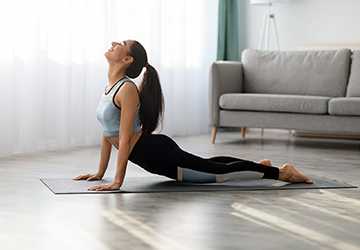
Physical activity is an effective way to control anxiety. Regular exercise releases endorphins, which are natural mood enhancers. Find an activity you enjoy, whether walking, jogging, yoga or dancing, and incorporate it into your daily routine.
Challenge negative thoughts:
Practice cognitive restructuring by challenging negative and irrational thoughts. If you notice anxious thoughts, ask yourself if there is evidence for these thoughts. Consider other, more balanced perspectives and question the accuracy of catastrophic thinking patterns.
Seek professional help:
If anxiety persists and significantly affects your daily life, it is crucial to seek professional help. A mental health professional such as a therapist or counsellor can provide advice, coping strategies and support based on your needs. Therapy can be a valuable resource in managing anxiety.

Other strategies for managing everyday fears:
l Diary:
Journaling allows you to express your thoughts and feelings and provides a means of catharsis. Write about your experiences, challenges, and triumphs. Keeping a journal can help you gain insight into anxiety patterns and your progress over time. Track time.
l Progressive muscle relaxation (PMR):
During PMR, various muscle groups in the body systematically tense and then relax. This technique helps relieve physical tension associated with anxiety. Practice PMR regularly, especially during times of increased stress.
l Visualization and Images:
Visualization techniques involve creating mental images of calm, peaceful scenes. Please close your eyes and imagine a place that brings you comfort, whether it's a beach, a forest, or a mountain. Visualization can help redirect attention away from anxiety-provoking thoughts.
l Restriction of doping:
Caffeine and nicotine can increase anxiety. Limit stimulants, especially in the afternoon and evening, to promote better sleep and reduce nervousness.
l Accept uncertainty:
Accept that uncertainty is a natural part of life. Practice accepting situations that are beyond your control. Letting go of the need for certainty can reduce the fear associated with the unknown.
l Time management:
Effective time management can reduce the stress that comes from feeling overwhelmed. Break down tasks into smaller, manageable steps, prioritize activities, and schedule time for breaks and self-care. Avoid procrastination, as it can lead to increased anxiety.
l Practice laughter and humour:
Laughter has natural stress-relieving properties. Engage in activities that bring joy and laughter, whether watching a comedy, spending time with funny friends, or enjoying humorous content.
l Create a relaxing environment:
Set up a relaxing space at home or work. Incorporate elements that promote calm, such as soft lighting, comfortable seating, and calming colours. A designated relaxation area can be a place to rest during anxious moments.
l Mindful eating:
Pay attention to your eating habits and practice mindful eating. Eat slowly, savour every bite, and watch your body's hunger and satiety signals. Mindful eating promotes a healthy relationship with food and can reduce eating-related stress.
l Limit information overload:
Constant exposure to news and information can lead to anxiety. Set limits on news consumption, especially when the news may be disturbing. Schedule specific times to catch up and balance this with activities that bring joy and relaxation.
Conclusion
Managing and reducing daily anxiety requires a combination of practical strategies, lifestyle changes, and self-awareness. By incorporating these actionable steps into your everyday life, you can build resilience, improve your mental health, and live a more balanced and fulfilling life. Remember, everyone's journey is unique, and finding the best strategy for you may take time. If anxiety persists or becomes overwhelming, seeking professional support is a positive step toward greater happiness and emotional health.